New vs. Resale: The Battle
New vs. Resale: The Battle
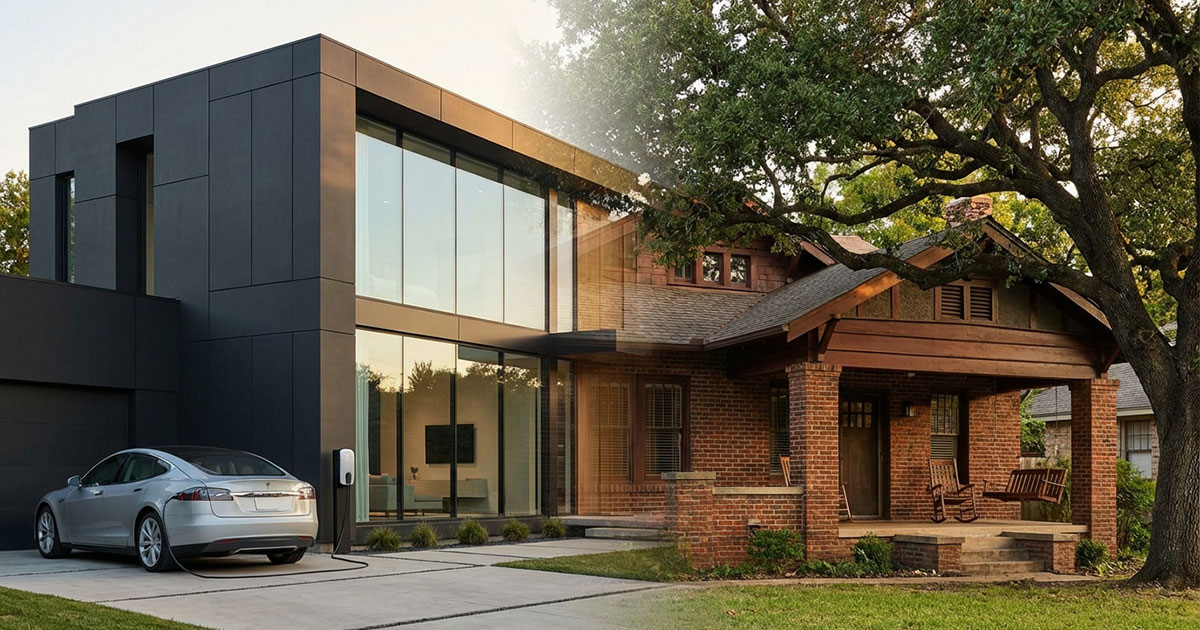
As the 2026 American housing market experiences a significant inventory surge, a fierce rivalry has emerged between new construction developers and resale homeowners. Buyers now face a pivotal choice between modern efficiency and established charm. This article explores the evolving dynamics of this competition, analyzing financial incentives, market trends, and the strategic advantages each property type offers in today’s landscape.
The Builder Offensive in a High Rate Environment
In the current landscape of March 2026, homebuilders have seized a massive portion of the market share by leveraging their financial depth in ways that individual sellers simply cannot match. While the average thirty-year fixed mortgage rate has hovered between 6.2% and 6.4% this month, national builders are successfully luring buyers with aggressive mortgage rate buydowns, often offering proprietary financing as low as 4.99%. This tactical advantage has fundamentally shifted the “battle for the buyer” because it addresses the primary pain point of modern real estate: monthly affordability. Beyond the interest rates, builders are packaging their homes with extensive warranties and modern energy-efficient technologies that promise lower utility bills, which appeals to the cost-conscious millennial and Gen Z buyer cohorts. By providing a “turn-key” experience where the floor plans are specifically designed for the remote-work era—complete with integrated high-speed wiring and dedicated home office spaces—new construction has become a formidable opponent for the traditional resale market. Consequently, the psychological appeal of being the first person to live in a home, combined with the lack of immediate maintenance costs, has forced resale sellers to rethink their positioning entirely.
The Resilience of Established Neighborhoods
Despite the aggressive incentives offered by developers, the resale market in 2026 maintains a unique stronghold through the inherent value of location and character. Most new construction projects are pushed to the fringes of metropolitan areas due to land availability, resulting in longer commutes and a lack of mature infrastructure. Conversely, existing homes occupy prime real estate in established school districts with mature landscaping, walkable downtowns, and a sense of community that takes decades to cultivate. Buyers in 2026 are increasingly recognizing that while a new build offers a pristine interior, an older home often sits on a significantly larger lot with privacy that modern high-density developments cannot replicate. Furthermore, the “resale advantage” lies in the ability to negotiate on a more personal level; individual sellers are often more motivated by specific timelines or emotional connections to the buyer than a corporate builder who is strictly focused on quarterly margins. This has led to a resurgence of interest in “mid-century modern” and “traditional” styles that offer architectural soul and the potential for equity growth through strategic renovations, which many buyers find more rewarding than the cookie-cutter aesthetic of massive suburban developments.
Navigating the Financial Maze of 2026
The financial complexity of purchasing a home has reached a new peak this year, particularly following the long-term adjustments to real estate commission structures and the increased transparency in closing costs. In this environment, the “battle” is often won at the closing table rather than the open house. Builders are currently offering “flex cash” incentives that can be applied to closing costs, upgrades, or price reductions, creating a highly customized financial package for the buyer. On the other hand, resale sellers are beginning to fight back by offering substantial “seller concessions,” a practice that has become standard again as inventory levels hit their highest points since the pre-pandemic era. Sellers who want to compete with new construction are now frequently paying for the buyer’s professional inspections and even contributing toward the buyer’s agent fees to ensure their property remains a viable option. This competition has created a rare “buyers’ window” where the total cost of acquisition is being subsidized by the sellers, regardless of whether the home is brand new or fifty years old. The savvy buyer in 2026 is no longer just looking at the listing price but is performing a deep dive into the “net cost” of the transaction, factoring in the immediate repairs needed for resale versus the long-term appreciation potential of an established neighborhood.
Infrastructure and Lifestyle Considerations
A critical component of the 2026 market dynamic is the divergence in lifestyle offerings between these two property types. New construction communities are increasingly being built as “lifestyle hubs” featuring communal coworking spaces, electric vehicle charging stations at every residence, and smart-grid integration. For the tech-forward buyer, these amenities represent the future of American living and provide a level of convenience that is difficult to retroactively install in an older home without significant capital expenditure. However, the trade-off is often a lack of geographical soul and a higher Homeowners Association fee to maintain these modern luxuries. Resale homes, meanwhile, offer the “original” lifestyle—proximity to local parks, established small businesses, and a lack of the restrictive covenants often found in new developments. As the “Great Thaw” continues to bring more diverse inventory to the market this spring, buyers are weighing the high-tech, low-maintenance lifestyle of the suburbs against the cultural richness and stability of the inner-ring suburbs. The choice often comes down to a preference between a predictable, standardized environment and a unique, historically grounded residence that offers a canvas for personal expression and long-term stability in an unpredictable economy.
The Evolving Inventory Landscape
As we move through the spring of 2026, the sheer volume of available homes has reached a level that would have been unthinkable just two years ago. The inventory overhang in certain regions, particularly in the Sun Belt states, has created a high-stakes environment where builders are sitting on completed “spec” homes that must be moved off their books. This surplus has triggered a ripple effect across the resale market, where homeowners who were previously “locked in” by low interest rates are finally listing their properties to accommodate life changes like retirement or family expansion. This influx of choices means that the “battle for the buyer” is no longer just about price, but about the total value proposition. Resale sellers are having to invest more in professional staging and pre-listing upgrades to meet the aesthetic standards set by the pristine model homes of developers. At the same time, builders are having to moderate their price increases to avoid being outpriced by the massive wave of existing homes hitting the market. This equilibrium is healthy for the overall US economy, as it prevents the runaway price inflation of previous years while ensuring that both new and old properties remain accessible to a broader demographic of the population.
Finding the Right Path Forward
In conclusion, the 2026 real estate market in the United States has evolved into a sophisticated arena where both new construction and resale homes offer compelling, yet distinct, benefits. For the buyer who prioritizes financial certainty and modern efficiency, the aggressive rate buydowns and “fresh start” of a new build are almost impossible to ignore in a high-interest-rate environment. However, for those who value location, land, and the intangible quality of an established community, the resale market offers a level of character and long-term security that a new development cannot yet provide. The “battle” between these two sectors is ultimately a victory for the consumer, as it has forced a level of transparency, competition, and financial creativity that was absent for the last decade. As inventory continues to rise throughout the year, the most successful participants—whether they are sellers or buyers—will be those who remain flexible and focus on the total cost of ownership rather than just the surface-level features. Whether you choose the sleek lines of a 2026 smart home or the sturdy bones of a classic American residence, the current market provides a wealth of opportunities for those prepared to navigate its complexities.
Alice Lonnqvist Broker
Home Max Realty International
934 S Dixie Hwy, Lantana Florida 33462
Email: homemaxrealty@yahoo.com
Phone: (561) 540-8122
At Home Max Realty International, we pride ourselves on being experts in matching buyers with the right property at the right price. With our years of experience and local market knowledge, we are confident that we will be able to find you the great deal on the home that suits your needs and a lifestyle.